A Beginner's Guide to the Different Styles of Yoga
Merilin Vrachovska-Gilchrist
· 9 min read
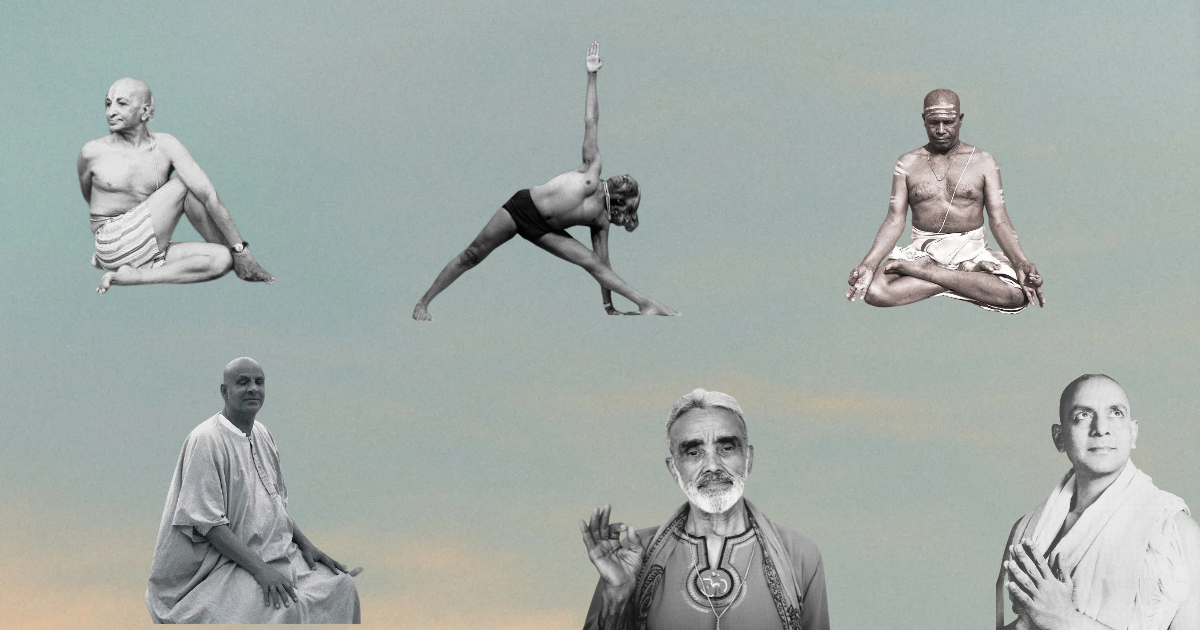
I started with vinyasa yoga around 2018 and all I remember back then was that it felt good, so I kept doing it.
But the years were passing, and I was slowly feeling the profound effect of the practice, and slowly getting interested in learning more about yoga.
Once I started, I was very confused. Hatha, vinyasa, flow, power, yin, Iyengar, Ashtanga, Kundalini… so many names and styles, that really made it hard to understand.
I remember going to my first Ashtanga class ever, which was a Mysore style class. Of course, I had no idea what that meant, and showed up just to realise that it was a self-paced practice.
The teacher saw I had no idea what I was doing, so she came next to me and showed me how to do everything.
So, to save you from being lost like me, I’ve decided to share more about the different styles of yoga, something I’d have loved to have back when I started.
Knowing where something comes from makes it easier to understand why classes feel so different, and to decide what you want to keep practicing.
At the end you’ll find a table that sums everything up nicely, but before that I’ll share more about the styles and where they come from.
First, a tiny bit of history
When people in the West say "yoga" they usually mean asana, the physical postures.
But in the Yoga Sutras, written by the sage Patanjali around 2,000 years ago, asana is just one of the eight limbs of yoga:
- Yamas: how you treat others, like non-violence and truthfulness
- Niyamas: how you treat yourself, like cleanliness, contentment and self-study
- Asana: the postures
- Pranayama: breath control
- Pratyahara: drawing your senses inward, away from distractions
- Dharana: concentration
- Dhyana: meditation
- Samadhi: complete meditative absorption, often described as the goal of yoga
The Sutras say very little about asana, mostly that a posture should be steady and comfortable (so you can sit for meditation).
Today’s styles differ a lot in how much of the eight limbs they include. Some are almost only about the postures, while others also bring in pranayama (work with prana through breath), meditation and the ethical side of yoga.
Almost every style of posture-based yoga practised in the West today traces back to a few teachers in 20th century India. The two biggest roots are Swami Sivananda and T. Krishnamacharya.
Then, there’s yin yoga which is a bit of an outlier, with roots in Taoist practice, and then there's a whole bunch of modern styles that borrowed from all of these. Let’s take a closer look.
The Sivananda family
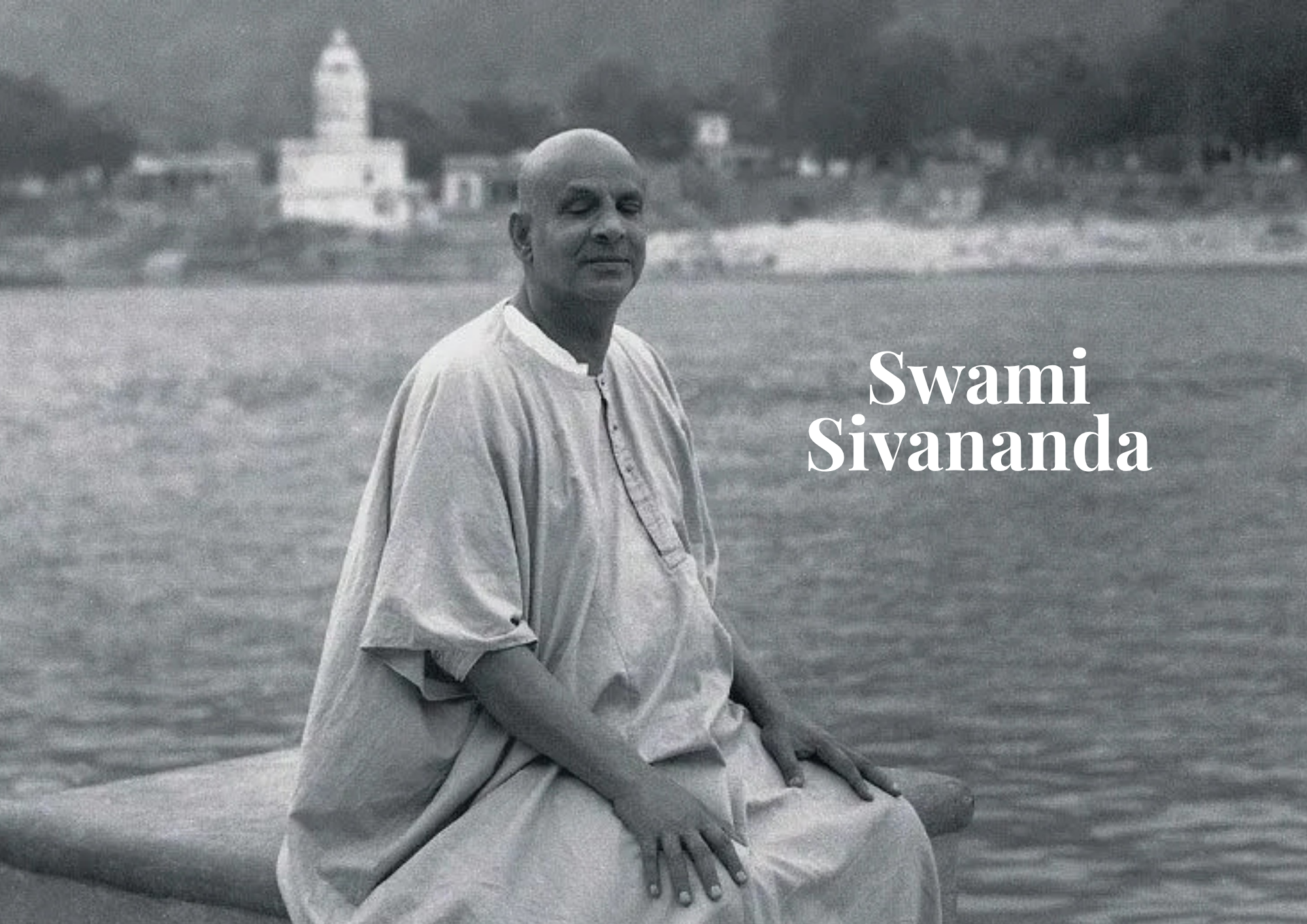
Swami Sivananda was a doctor who practised medicine in Malaysia before becoming a monk in Rishikesh in 1924.
He taught yoga as a whole way of living, summed up in these points:
- proper exercise
- proper breathing
- proper relaxation
- proper diet
- positive thinking
- meditation
His student Swami Vishnudevananda brought the teaching to the West, and a lot of teacher training today is built on it.
Sivananda yoga
A classic Sivananda class has a set shape. You start lying down in relaxation, do some breathing exercises, sun salutations, and then a fixed sequence of 12 basic postures with short rests in between, finishing with a long final relaxation (shavasana).
It's calm and steady, though the postures themselves can be quite challenging. (I go much deeper into this one in [What Is Sivananda Yoga?].)
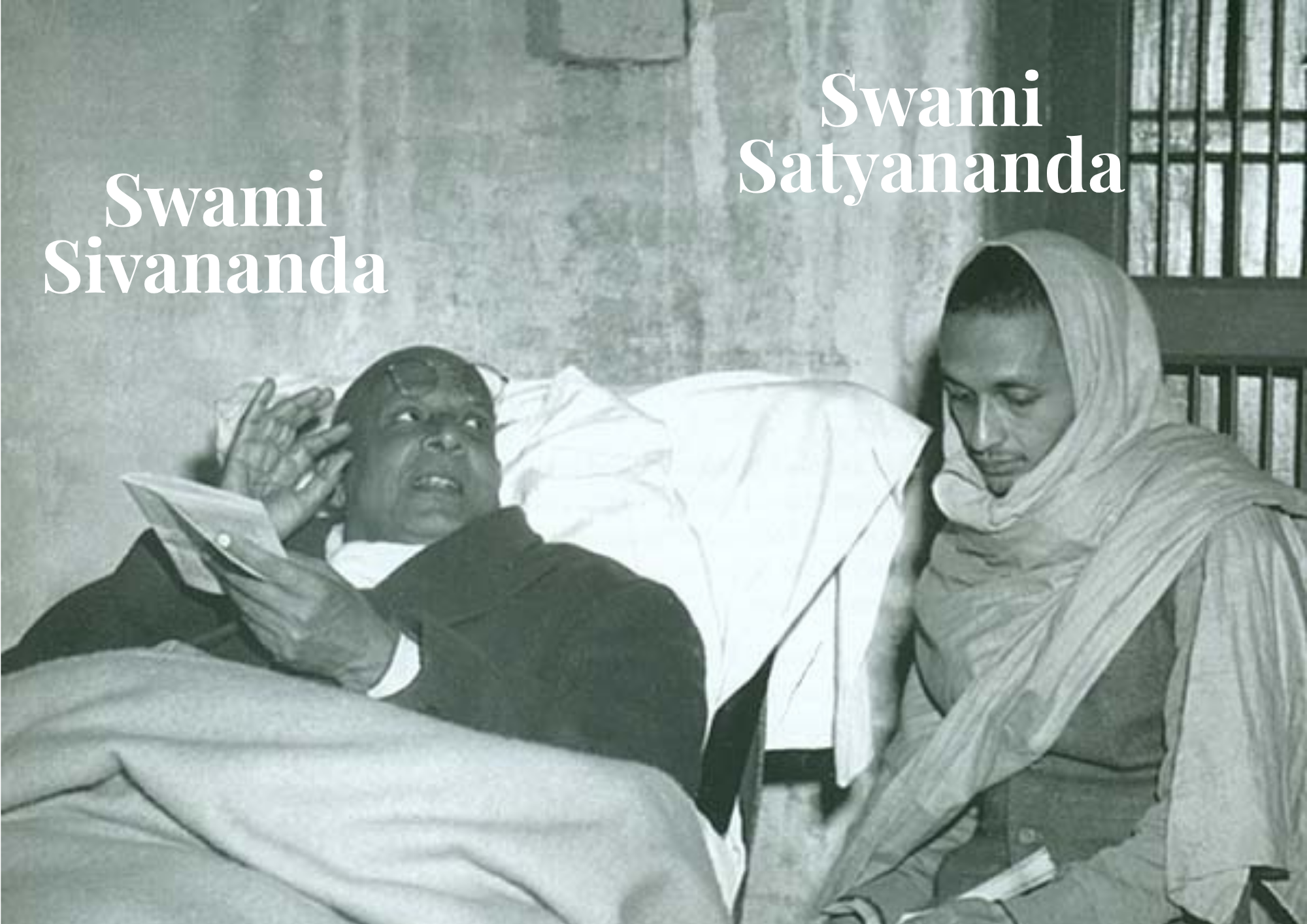
Another of Sivananda's students, Swami Satyananda, founded the Bihar School of Yoga in India. Satyananda yoga is gentler and quite popular in Europe, and it's where the modern form of yoga nidra comes from (more on that below).
Dharma yoga (Hatha Raja yoga)
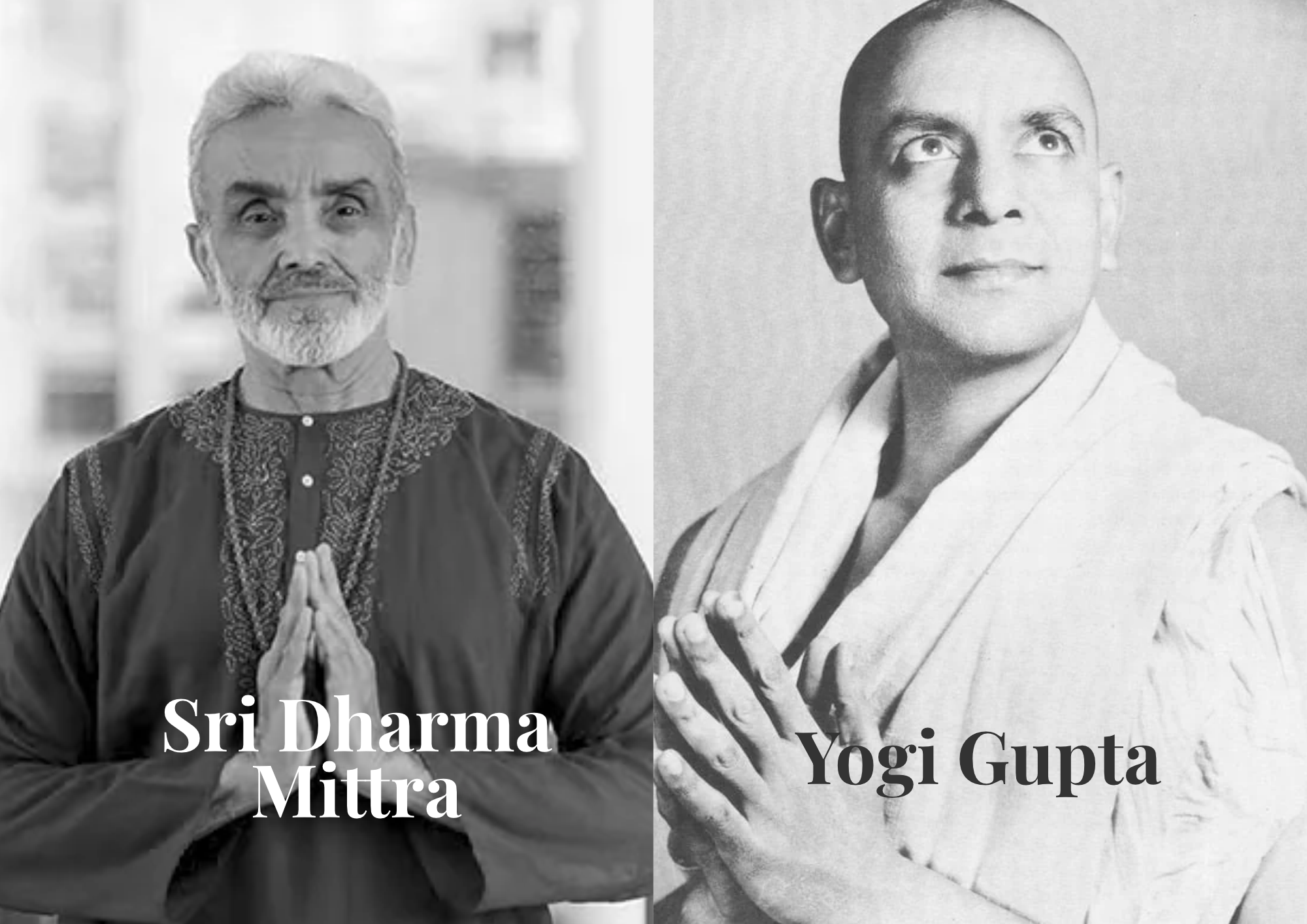
Sri Dharma Mittra studied with Yogi Gupta, who taught in Rishikesh around the same time as Sivananda, and Dharma yoga has a lot in common with the Sivananda approach.
Dharma Mittra has been teaching in New York since the 1970s. He calls what he teaches Hatha Raja yoga: asanas, but also pranayama, deep relaxation, meditation and the ethical side of yoga. Classes can get quite strong and include inversions and balances, but with lots of options.
The Krishnamacharya family
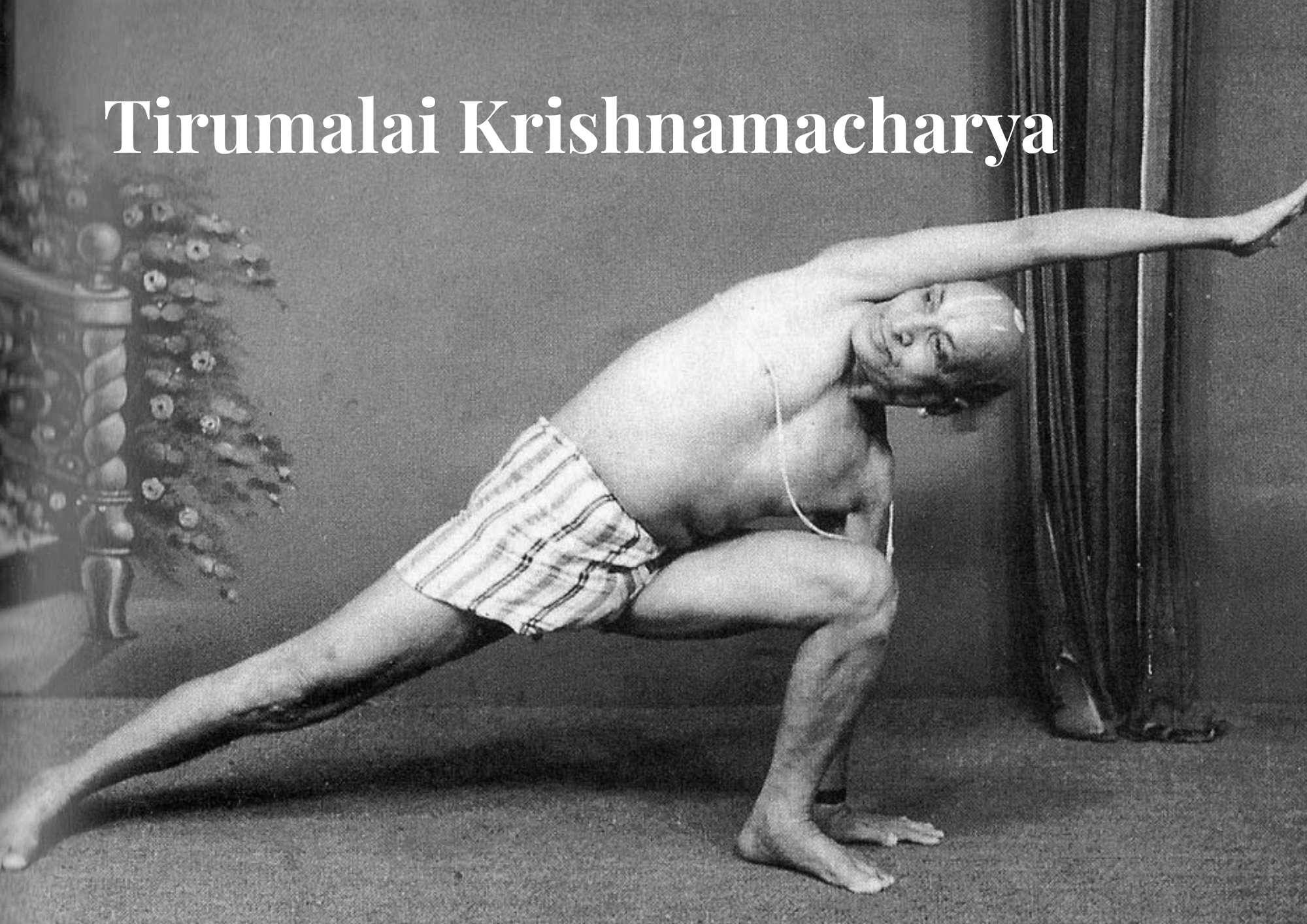
If you've been to pretty much any modern yoga class, there's a good chance it was influenced by Tirumalai Krishnamacharya.
He taught at the Mysore Palace in South India from the 1930s, and his students each took a different part of his teaching into their own style. That's why this family is so big, and so varied.
Iyengar yoga
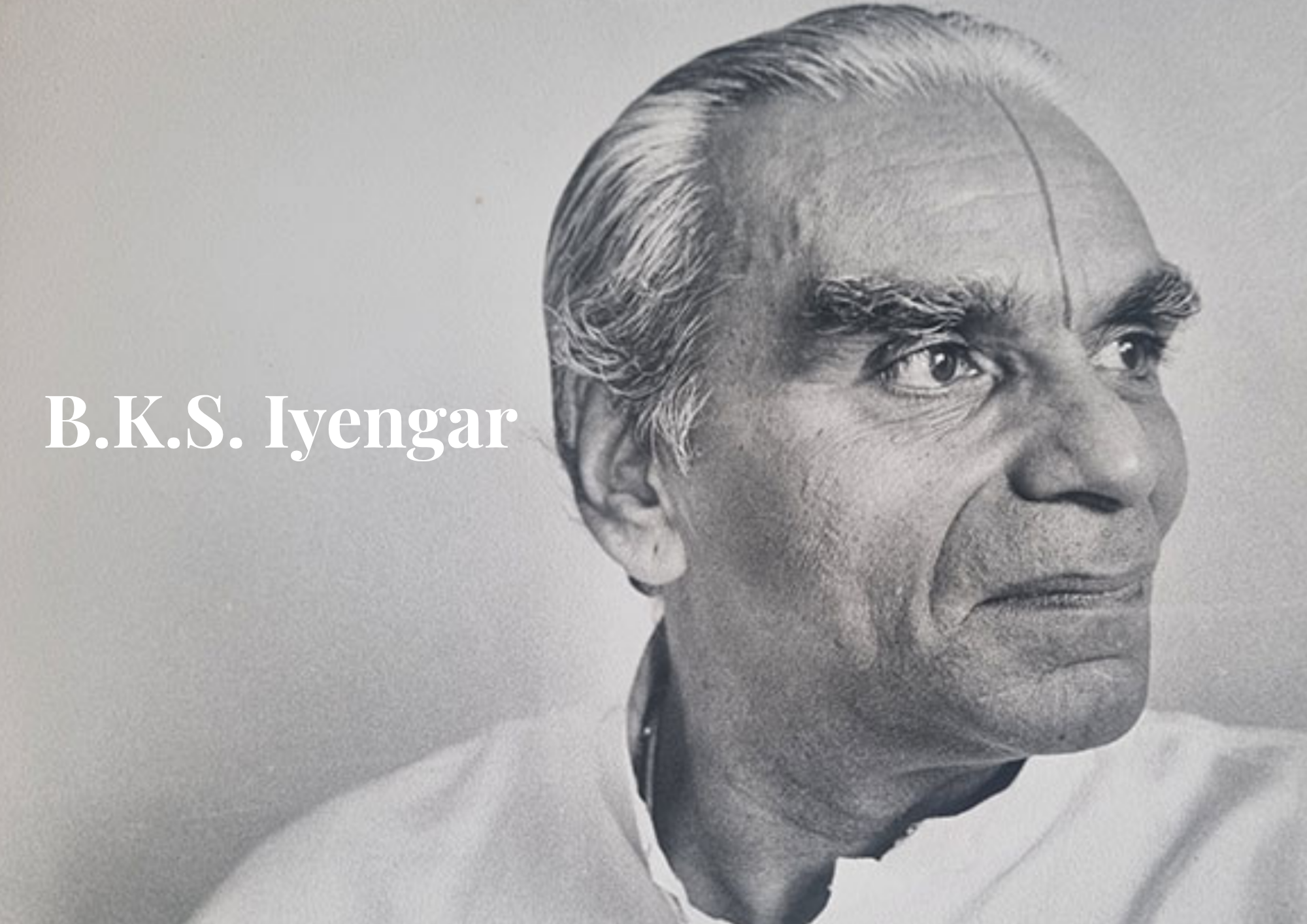
From B.K.S. Iyengar. Very precise, all about alignment, and you hold poses for longer while the teacher explains exactly where everything goes. This is where all the props come from: blocks, belts, blankets, even chairs and ropes on the wall. Great for really learning how a pose works, and often recommended if you're working around an injury.
Ashtanga yoga
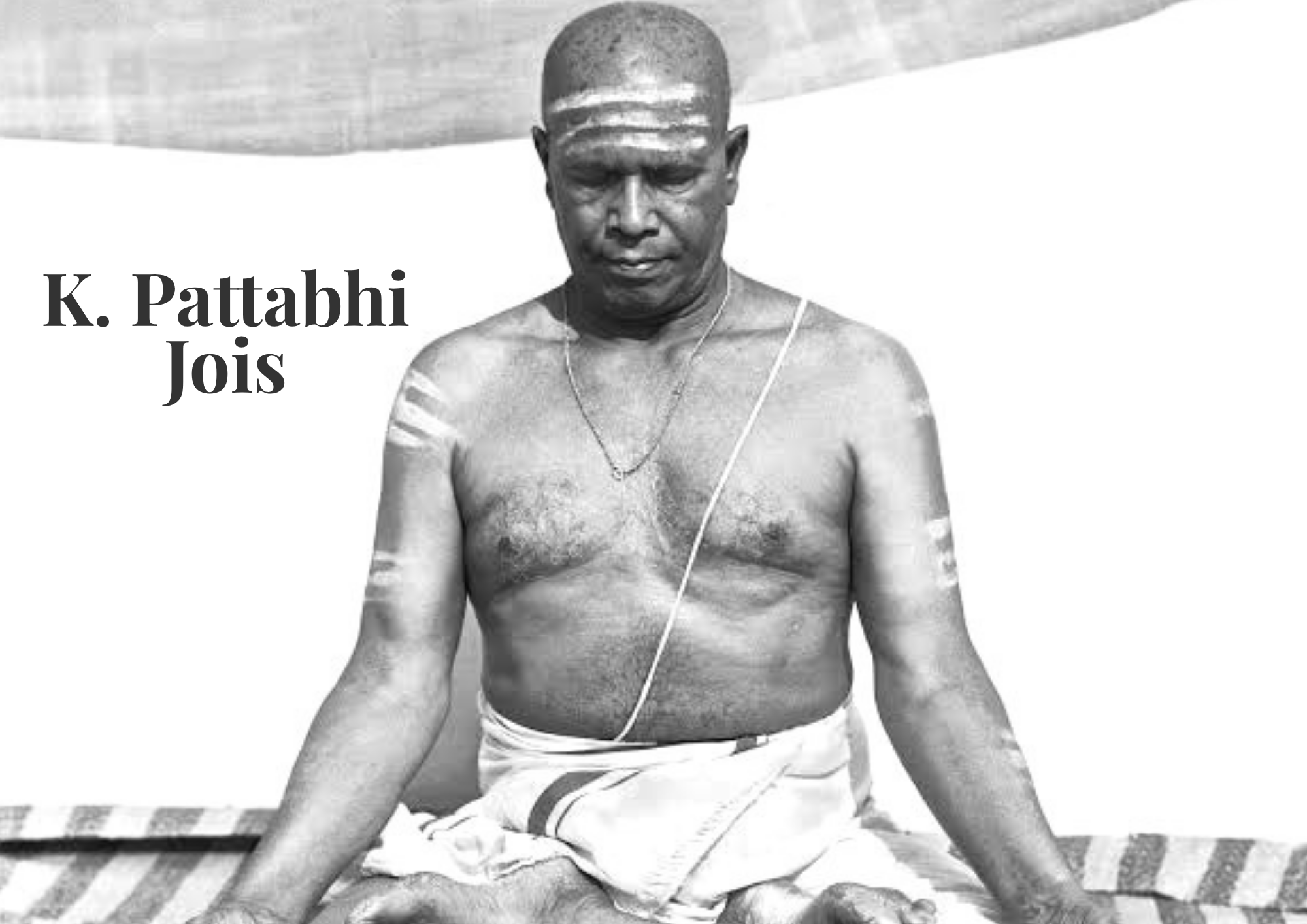
From K. Pattabhi Jois. Ashtanga is made up of six sets of poses, done in the same order every time, with each movement linked to the breath. You start with the primary series, then move on to the intermediate series, and then the four advanced series, which are mostly practised by long-term experienced students. In a “Mysore style” class everyone practises the sequence at their own pace while the teacher goes around helping.
Vinyasa, flow and power yoga
Vinyasa means linking movement with breath, and vinyasa classes grew out of Ashtanga, except the sequence changes every class depending on the teacher. "Flow" or "vinyasa flow" is basically the same thing with a different name on the schedule. Power yoga is a sporty, fitness-leaning version that came out of the US in the 1990s, also based on Ashtanga.
Restorative yoga
Grew out of Iyengar's use of props. You do only a few poses, fully supported by bolsters and blankets, and stay in each for several minutes. The point is to rest properly, which sounds easy but for a lot of us it really isn't.
Viniyoga
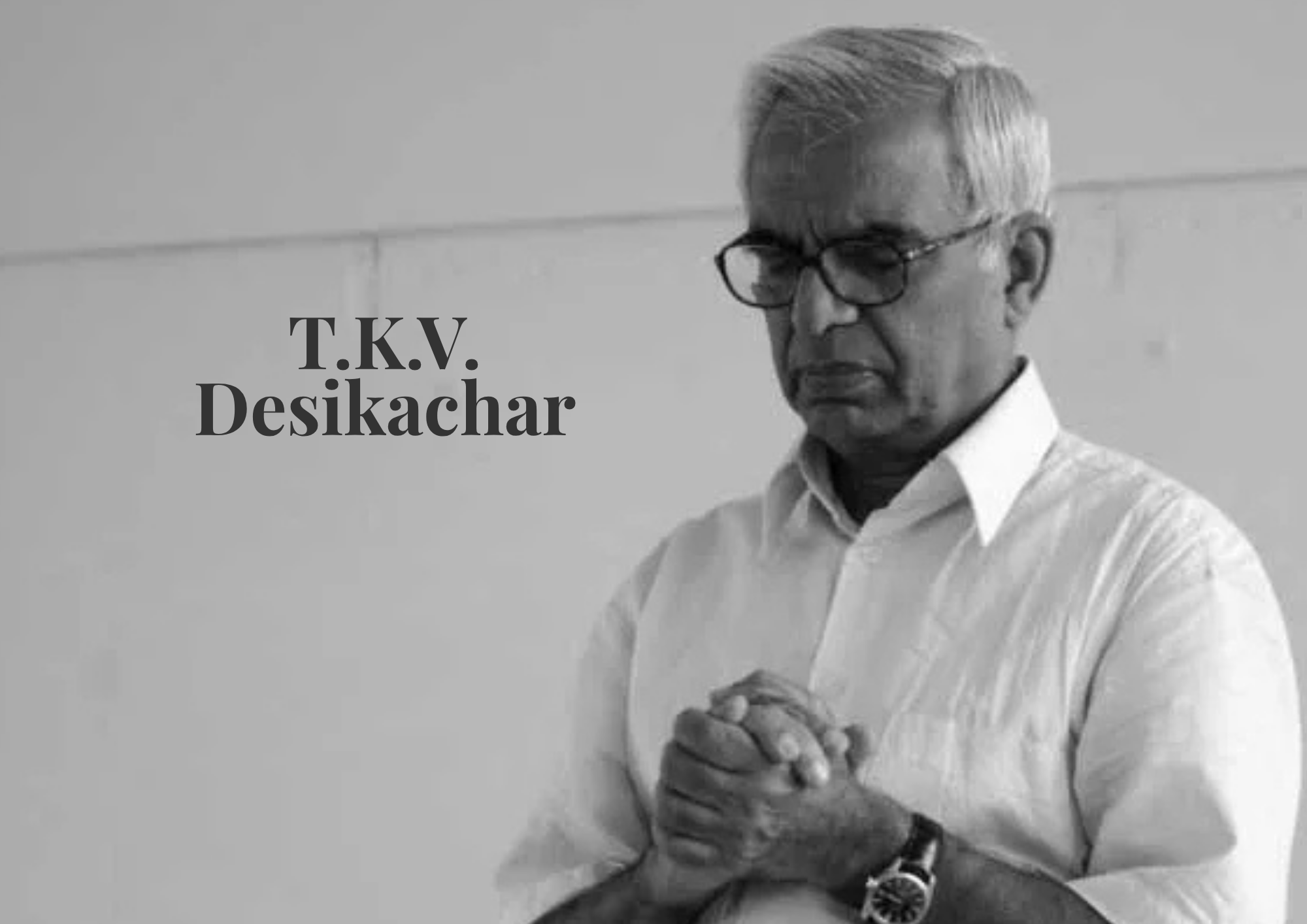
From Krishnamacharya's son T.K.V. Desikachar. The idea is that practice should be adapted to the person, so it's often taught one to one, with a lot of focus on breath. You won't see it on many studio schedules, but it's good knowing it exists.
Yin yoga and the Taoist root
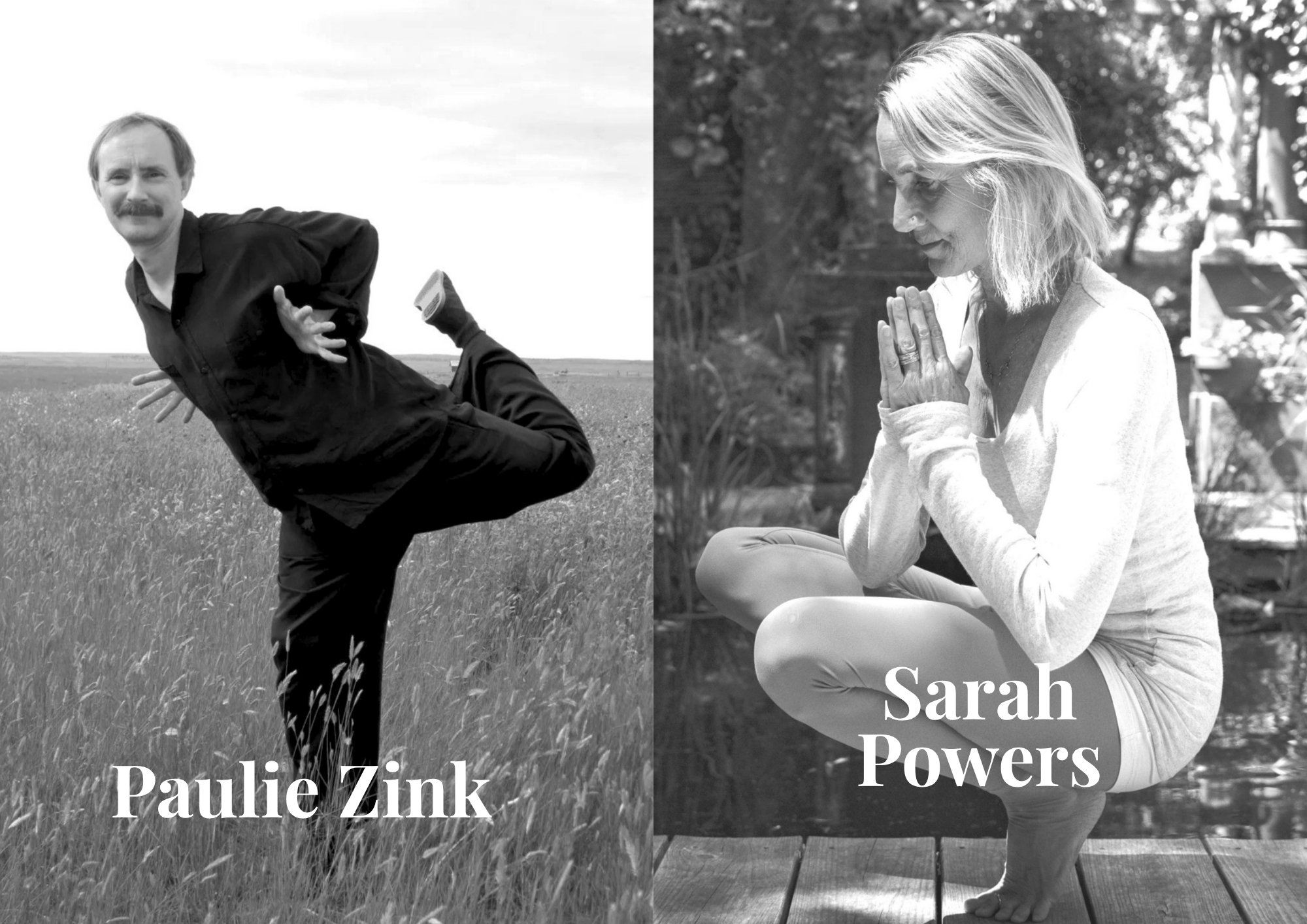
Yin comes from a different direction. It started with Paulie Zink, who taught Taoist yoga alongside martial arts, and was then shaped by yoga teachers, mainly Paul Grilley and Sarah Powers, who named it and spread it from the late 1990s.
A yin class is slow, quiet and very meditative, mostly seated or lying poses held for a long time, with your muscles relaxed and gravity doing the work. You will feel it though.
Yin vs. restorative yoga
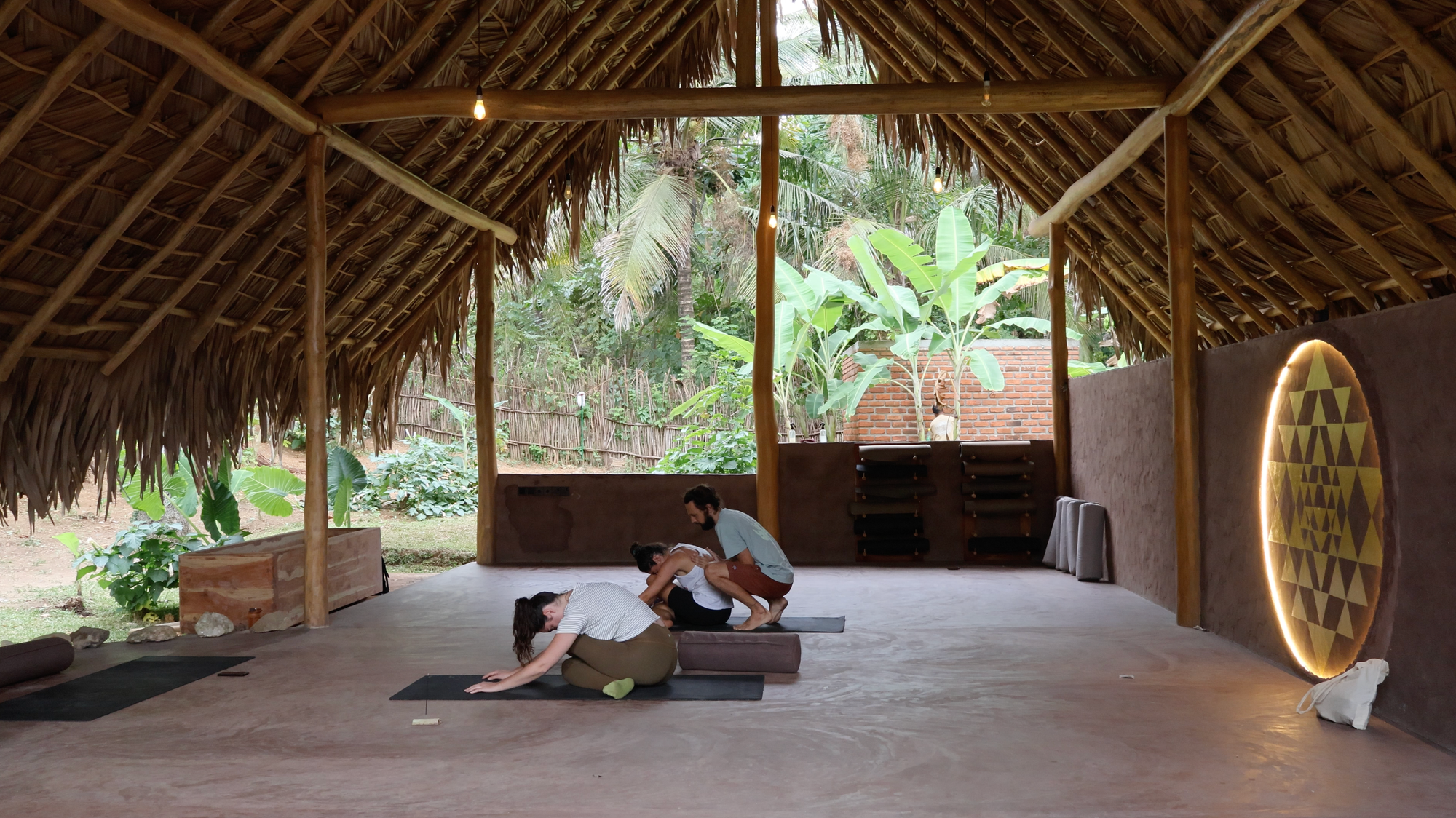
Yin and restorative get mixed up all the time. The easiest way I can put it: in restorative you're supported so you feel no strain at all, while in yin you stay with a bit of sensation on purpose.
In yin, you’re working. You go into a pose until you feel a stretch, a bit of sensation, and then you stay there for three to five minutes and let it slowly do its thing on your joints and connective tissue, mostly around the hips, pelvis and lower back. Props are there to adjust how strong it feels, not to take the sensation away. A big part of yin is mental, learning to stay with something a bit uncomfortable without running away from it, so it can actually be quite challenging.
In restorative, the whole point is to rest. Your body is propped up with bolsters, blankets and blocks so that nothing is stretching or working at all, and you stay in each pose for ten minutes or even longer. It’s about calming your nervous system and letting your body switch into rest mode, so it’s great when you’re stressed, exhausted, or recovering from something. If you feel a stretch in restorative, the setup probably needs adjusting.
If you want to work on flexibility and practise patience, yin. If you need rest, then do restorative.
Other names and styles to know
Hatha
Technically, hatha yoga means the physical side of yoga, so every style above is a type of hatha. On a studio schedule though, "Hatha" usually means a slower, more traditional class where you hold poses for a few breaths, with some breathing and relaxation. Every studio uses it a bit differently, so if you're not sure, just ask the teacher what to expect.
Tantra
Probably the most misunderstood word in yoga. In the West it's mostly linked to sex, but traditionally tantra is a big family of spiritual practices from India that use mantra, breathwork, visualisation and working with energy. A lot of hatha yoga actually grew out of tantra, including the idea of kundalini.
Kundalini
Kundalini is much more about energy, breath and meditation than postures. In yoga philosophy, kundalini is an energy that rests at the base of the spine, coiled up like a sleeping snake, and the practice is meant to wake it up. Kundalini classes mix repetitive movements, strong breathwork, chanting and meditation, and the focus is much more on energy and the mind.
Yoga nidra
Often called "yogic sleep". You lie down usually cosy under a blanket and the teacher guides you through a deep relaxation, moving your attention around the body and the breath, while you stay awake but completely still. There are no poses at all, so it's even more still than restorative, and a lot of people use it for stress and better sleep.
Hot yoga
Yoga in a heated room, often around 35 to 40°C, so you sweat a lot and it feels more like an intense workout. Some studios do a hot version of vinyasa, others a fixed sequence of 26 postures and 2 breathing exercises, originally Bikram yoga. Many now call it hot yoga or 26+2 instead, partly because its founder Bikram Choudhury faced several sexual assault and harassment lawsuits.
Somatic yoga
It's been a trendy word in the yoga world lately. "Somatic" comes from the Greek word soma, meaning the body. So somatic yoga is a mind-body movement practice that focuses on what you feel inside your body, and the focus is more on helping your nervous system calm down and feel safe and self-awareness, and less on how the pose looks, and how flexible you are.
Yoga for a specific situation
You'll also see things like acro yoga, aerial yoga, prenatal yoga, chair yoga or yoga for seniors. These are less a style and more an adaptation, usually built on one of the families above.
What about puppy yoga, goat yoga, wine yoga...?
If you want to enjoy yourself, stretch and cuddle a puppy, sure, puppy yoga can be fun. But I wouldn't really consider puppy yoga, goat yoga or wine yoga as yoga. They're activities that include some stretching, and yoga is so much more than the stretches.
Same with some of the workout options, like yogalates and similar mixes. Again, nothing wrong with them if you enjoy them. Just don't mistake them for actual yoga.
Yoga styles at a glance
Here's a cheat sheet of what each style tends to feel like, and what to expect:
| Style | Pace | You might like it if... |
|---|---|---|
| Sivananda | Calm, set sequence | you like routine and a long relaxation at the end |
| Satyananda | Gentle, all-round | you want a softer practice with plenty of relaxation and meditation |
| Dharma | Varied, can get strong | you want postures, breath, relaxation and meditation in one practice |
| Iyengar | Slow, precise | you want to really understand alignment, or you're working around an injury |
| Ashtanga | Strong, same sequence every time | you like discipline and tracking your progress |
| Vinyasa / flow / power | Moving, often sweaty | you want to move and like every class being a bit different |
| Jivamukti | Strong flow, plus chanting | you want a physical practice and the spiritual side of yoga in one class |
| Restorative | Barely moving | you need actual rest |
| Viniyoga | Adapted to you | you want a practice tailored to your body, often one to one |
| Yin | Very slow, long holds | you want to stretch deeply and slow down |
| Hatha | Slower, holds | you want a more classic class |
| Kundalini | Breath, movement, chanting | you're curious about the energy and meditation side |
| Yoga nidra | Lying still, guided | you want deep relaxation or better sleep |
| Hot yoga | Intense, very sweaty | you love the heat and don't mind sweating a lot |
| Somatic | Slow, small movements | you want a gentle way to tune into your body |
If you want to try a few styles, Happy Yogi is a good place to start. You can find teachers of different styles, watch their video classes at home, and see who's teaching in person near you.